

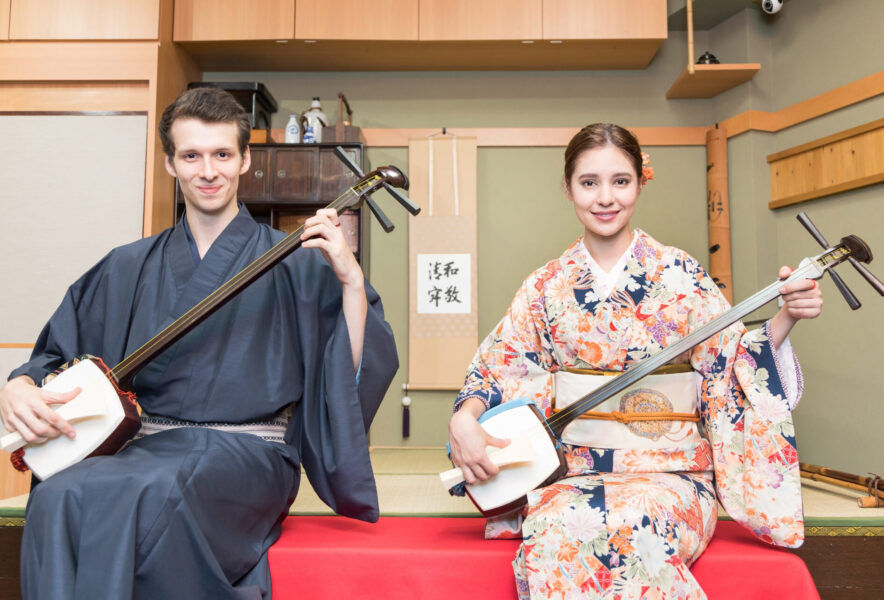
When you think of a traditional Japanese instrument, what comes to mind? Many people would probably picture the shamisen, known for its unique sound. It’s a staple in Kabuki and Japanese dance, and recently, it has even gained attention for collaborations with rock and pop music.
However, did you know that there are actually many different kinds of shamisen? Each one has distinct characteristics and colors different aspects of Japanese culture. In this article, we will explain the profound world of the shamisen in an easy-to-understand way for beginners. After reading this, the sound of the shamisen is sure to sound even more captivating!
- 1.What is the Shamisen? Know it, Love it! The Charm of the Shamisen
- 2. Is the Shamisen Made of Just Three Parts?
- 3. The Shamisen Is Divided into 3 Types Based on Neck Thickness
- 3-3. The Delicate “Hozao Shamisen”
- 4. Traditional Japanese Music Played on the Shamisen
- 5. Three Ways to Experience the Shamisen in Japan
- 6. Embark on a Journey into the Deep World of the Shamisen
1.What is the Shamisen? Know it, Love it! The Charm of the Shamisen
1-1. What Kind of Instrument is the Shamisen?
When you think of traditional Japanese instruments, the shamisen is likely the first one that comes to mind. It’s a string instrument with three strings, played by plucking with a tool called a bachi. Famous for accompanying Kabuki and traditional Japanese dance, it has also recently gained popularity in rock and pop music collaborations. While its structure is simple, its tone and expressive range are incredibly rich, captivating all who hear it.
1-2. Why the Shamisen Colors Japanese Culture
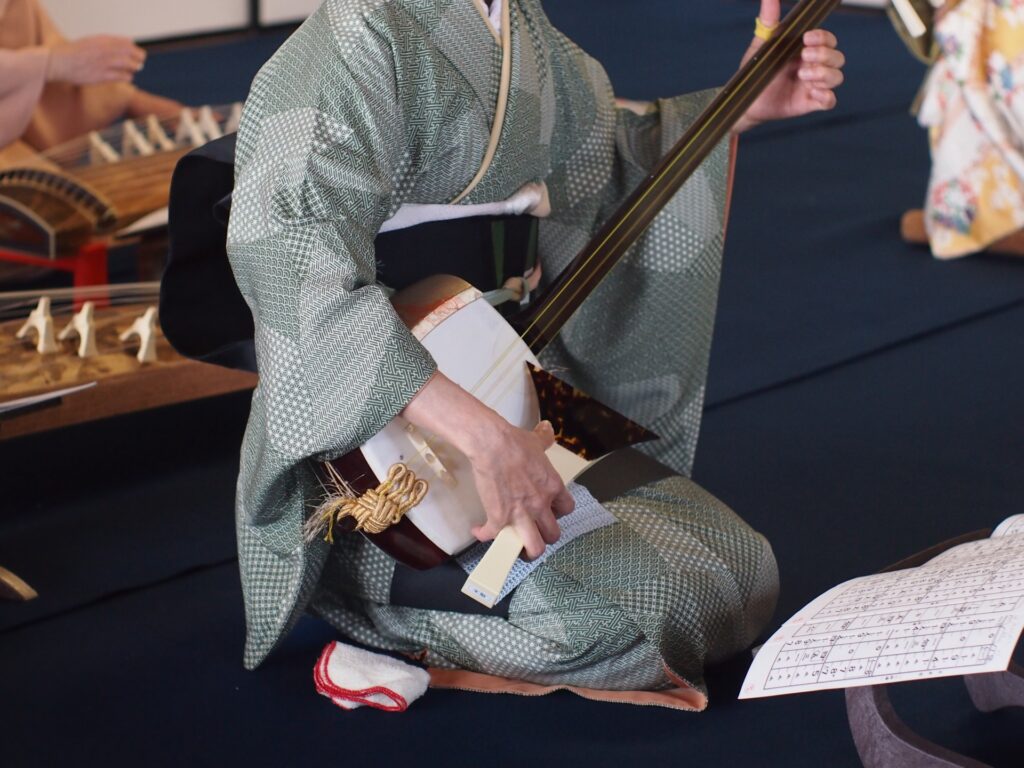
The shamisen is not just an instrument; it’s deeply rooted in Japanese culture and daily life. During the Edo period, it became a form of entertainment for the common people, evolving alongside countless stories and songs. The sound of a single shamisen can evoke a tranquil snowy landscape, a bustling festival, or a sorrowful love story, expressing all kinds of scenes and emotions. In this way, the shamisen supports traditional Japanese performing arts and plays a vital role in enriching people’s hearts across generations. After reading this article, this profound world will seem even more enchanting.
2. Is the Shamisen Made of Just Three Parts?
2-1. The Roles and Secrets of the Sao, Do, and Ito
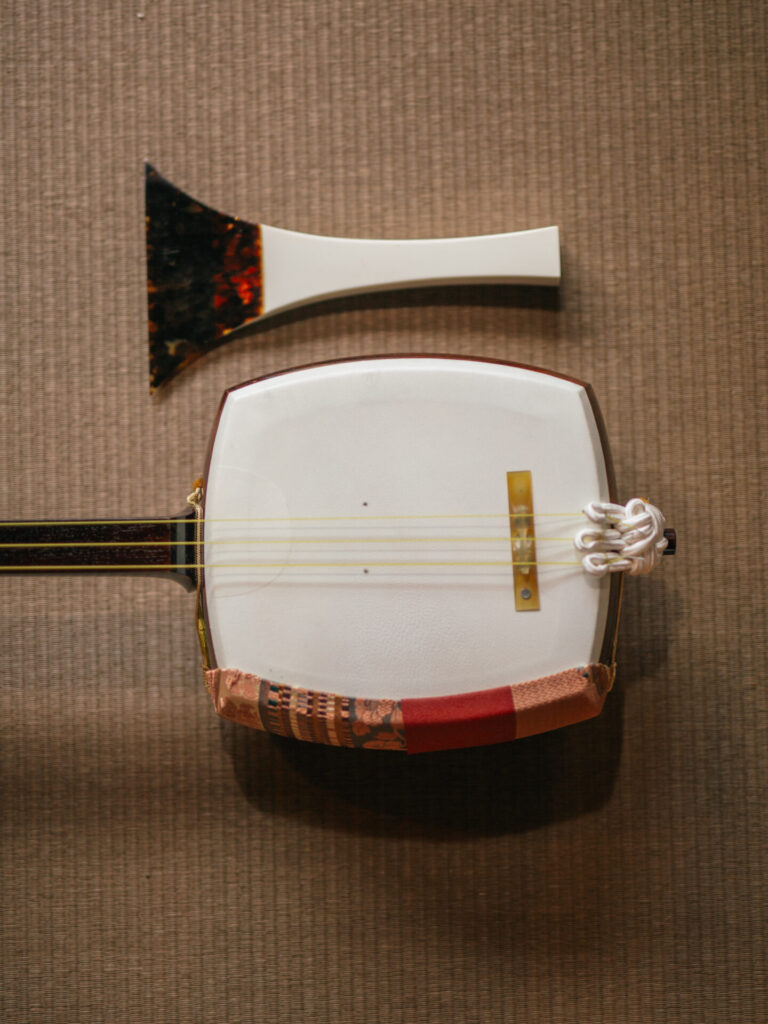
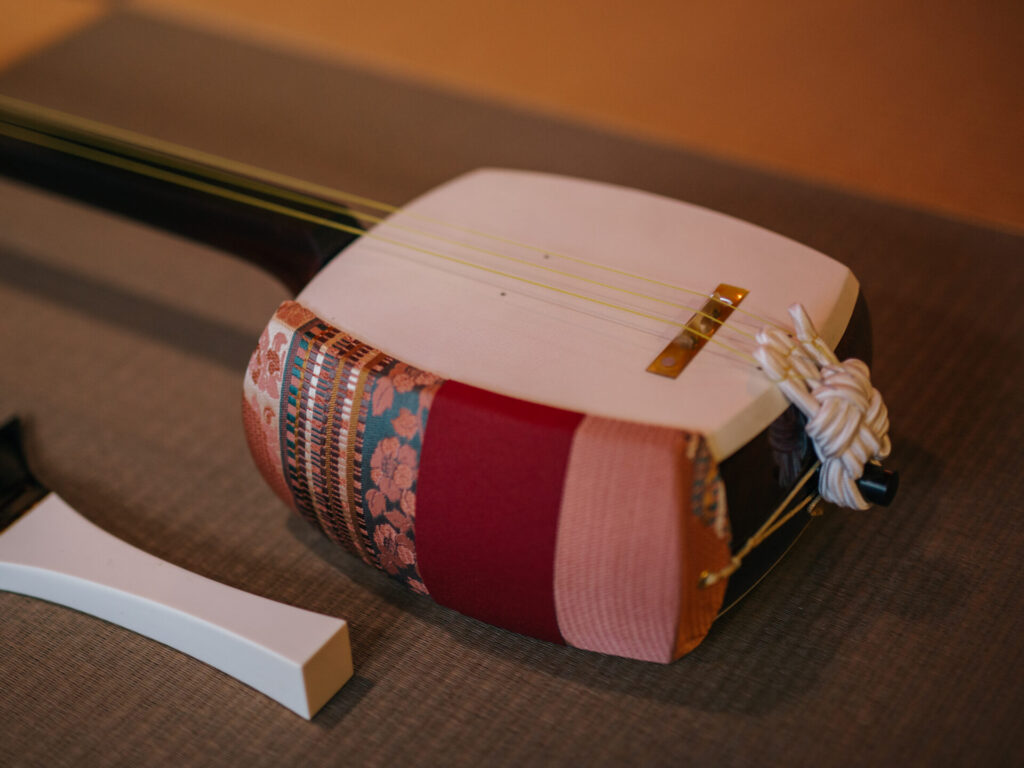
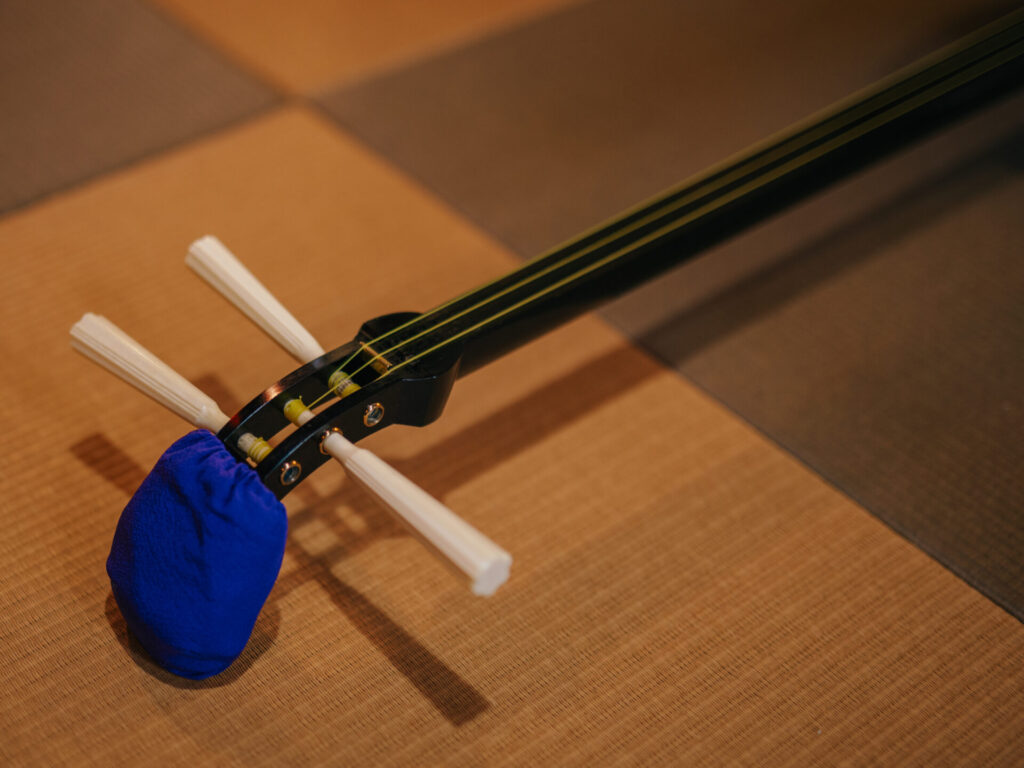
The shamisen is primarily composed of three parts: the sao (neck), the do (body), and the ito (strings). Each part plays a different role in creating the shamisen’s unique sound.
The sao is the neck where the strings are pressed. Made from materials like kouki (red sandalwood), rosewood, or karin (Chinese quince), its thickness and wood type change the sound’s resonance and richness. It is connected to the do, and you adjust the pitch by pressing your fingers on it.
The do is the body, which amplifies the strings’ vibrations. It’s traditionally covered with animal skin (dog or cat), which makes the string vibrations resonate loudly as sound. Recently, synthetic skins have also become common. The material of the do and the thickness of the skin can also significantly alter the sound.The ito are the three strings. From thickest to thinnest, they are called ichi-no-ito, ni-no-ito, and san-no-ito, and are made of different thicknesses and materials (silk, nylon, etc.). By plucking these strings with a bachi, you can play a wide range of sounds.
3. The Shamisen Is Divided into 3 Types Based on Neck Thickness
3-1. What is the Powerful “Futozao Shamisen”?
The futozao shamisen has the thickest neck and is characterized by a powerful, dynamic sound. Its robust construction can withstand strong, percussive playing. It’s primarily used in genres with powerful storytelling, such as Gidayu-bushi, and in the energetic, improvisational performances of the popular Tsugaru shamisen.
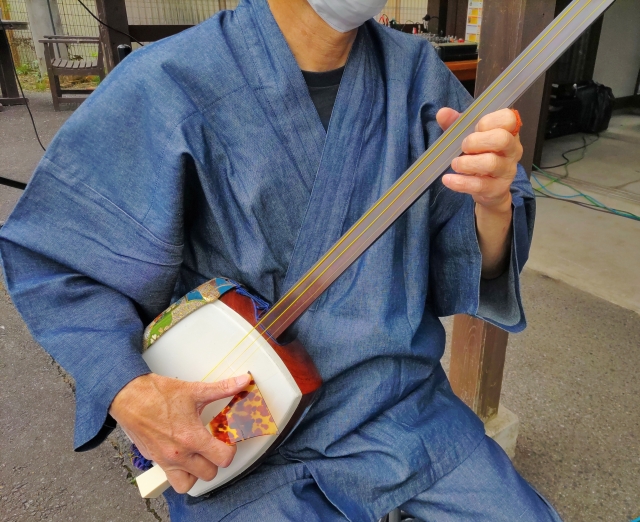
3-1-1. Why Tsugaru Shamisen is So Popular
The Tsugaru shamisen is known for a playing style that maximizes the power of the futozao. Its strong, percussive techniques and highly improvisational nature deeply move listeners. This dynamic performance style is also highly acclaimed overseas.
3-2. The Versatile “Chuzao Shamisen”
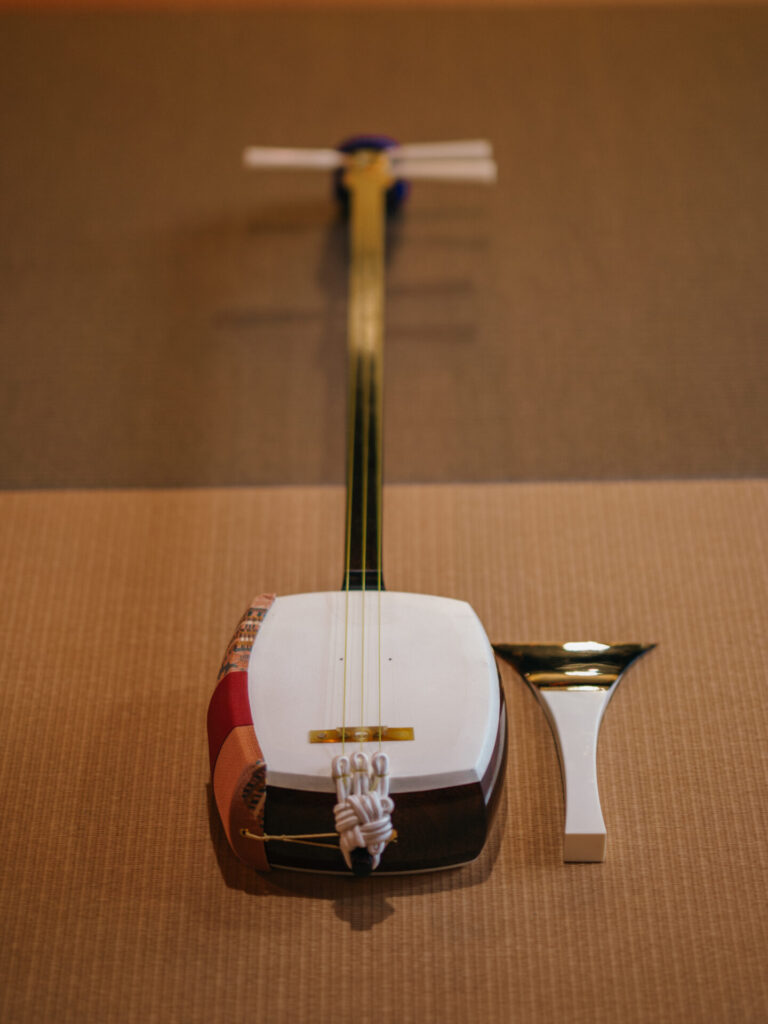
The chuzao shamisen has a medium-sized neck, placing it between the futozao and hozao, and it is the most common type. Its sound is a well-balanced mix of power and delicacy, making it suitable for a wide range of genres, including traditional Japanese music like Jiuta and Tokiwazu-bushi.
3-3. The Delicate “Hozao Shamisen”
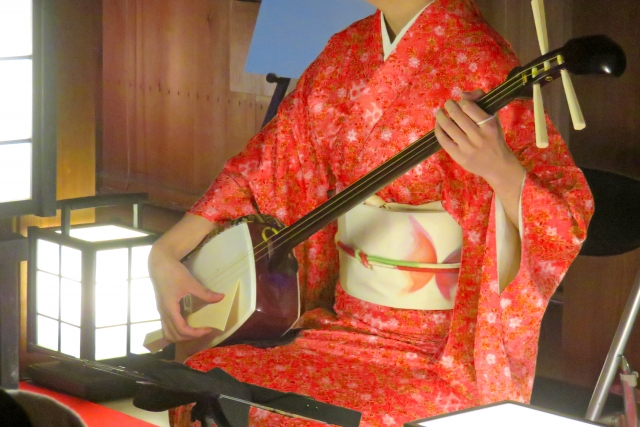
The hozao shamisen has the thinnest neck and is known for its light, delicate tone. It is often used as a vocal accompaniment, producing a soft, clear sound that doesn’t overpower the singer’s voice. It’s primarily used in genres like Nagauta, Kouta, and Hauta, which are often featured in Kabuki and traditional banquets.
4. Traditional Japanese Music Played on the Shamisen
4-1. The Soul-Stirring World of Tsugaru Shamisen
The Tsugaru shamisen is a genre of shamisen music that originated in the Tsugaru region of Aomori Prefecture. Originally played by traveling musicians, it’s characterized by improvisation and free rhythm. Recently, collaborations with rock bands and overseas concerts have become popular.
4-2. Nagauta Shamisen, Which Colors Kabuki
The Nagauta shamisen evolved as an accompaniment for Kabuki. On the Kabuki stage, the shamisen and the vocals express the characters’ feelings and the scenery. The delicate sound of the hozao shamisen harmonizes beautifully with the singer’s voice, enriching the world of the story.
4-3. Gidayu-bushi: The Narration of Puppet Theater
Gidayu-bushi is a style of narrative storytelling used in the traditional puppet theater “Bunraku.” A narrator, or tayu, tells the story to the powerful sounds of the futozao shamisen. The shamisen’s music expresses the characters’ emotions and the atmosphere, working with the puppets’ movements to draw the audience into the narrative.
5. Three Ways to Experience the Shamisen in Japan
5-1. Easily Experience It at Tourist Spots
In major tourist areas like Asakusa and Kyoto, there are shamisen workshops held for international visitors. If you’ve never touched an instrument before, don’t worry; a professional instructor will teach you. It’s a great opportunity to experience the joy of playing the shamisen in a short amount of time.
5-2. Be Moved by a Live Performance! Shamisen Shows
You can listen to live shamisen performances by professional musicians at restaurants and theaters. The dynamic energy of a Tsugaru shamisen performance is even more impressive in person. Feel the charm of traditional Japanese music firsthand.
5-3. See a Real Shamisen Up Close
In Tokyo’s Ueno and Kyoto, there are specialty instrument shops that sell shamisen. You can watch artisans handcrafting shamisen or see beautifully decorated ones. It’s an excellent chance to experience the depth of Japanese craftsmanship.
6. Embark on a Journey into the Deep World of the Shamisen
The shamisen is not just a “Japanese instrument.” Its types and playing styles are diverse, and each one is deeply connected to Japan’s traditional culture and stories. We hope this article has helped you discover the hidden depths of the shamisen’s sound. When you visit Japan, be sure to listen to a live shamisen performance or even try playing one yourself.
Comment