

- 1. What is the Koto? The Queen of Japanese Instruments Drawing Global Attention
- 2. A Deeper Dive into the Koto’s Charm: From its Sound to its History
- 3. A Special Wagakki (Japanese Instrument) Experience You Can Have in Japan
- 4. A New World That Opens Up Through the Koto
- 5. Conclusion | The Cultural Experience That Spreads from the Koto
1. What is the Koto? The Queen of Japanese Instruments Drawing Global Attention
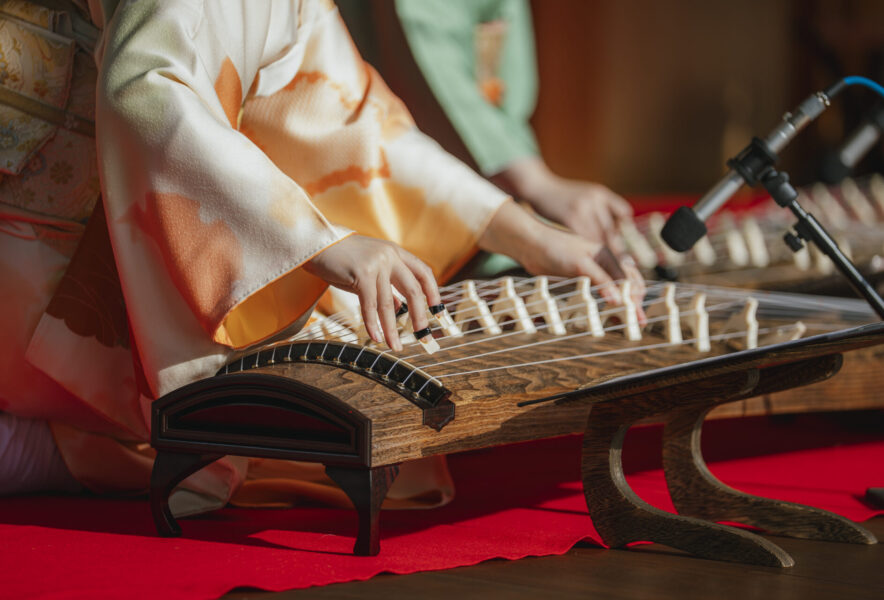
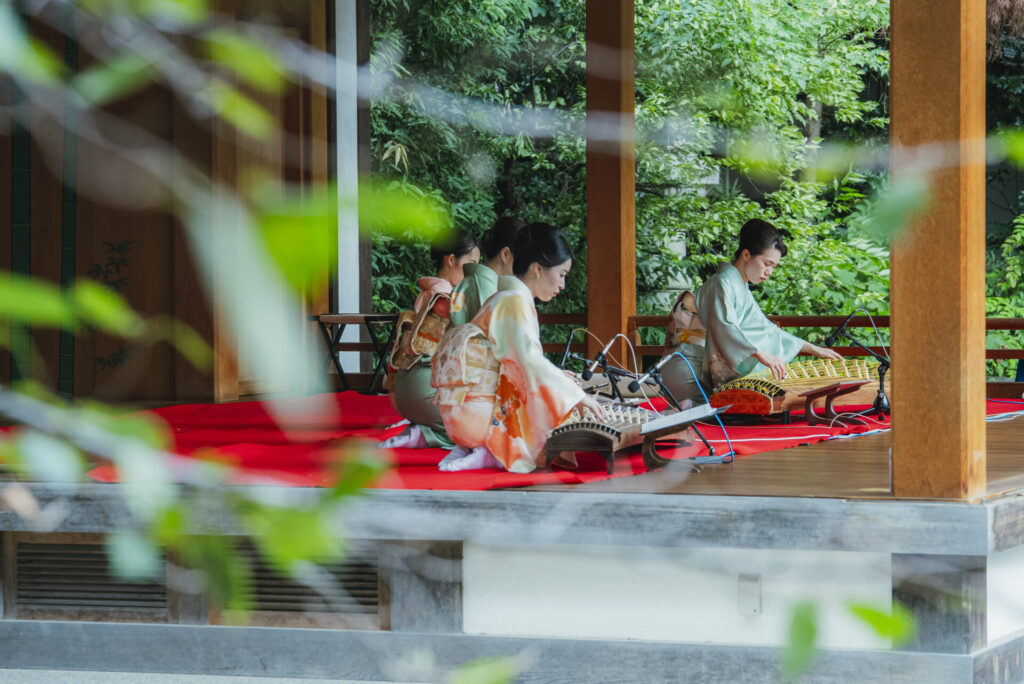
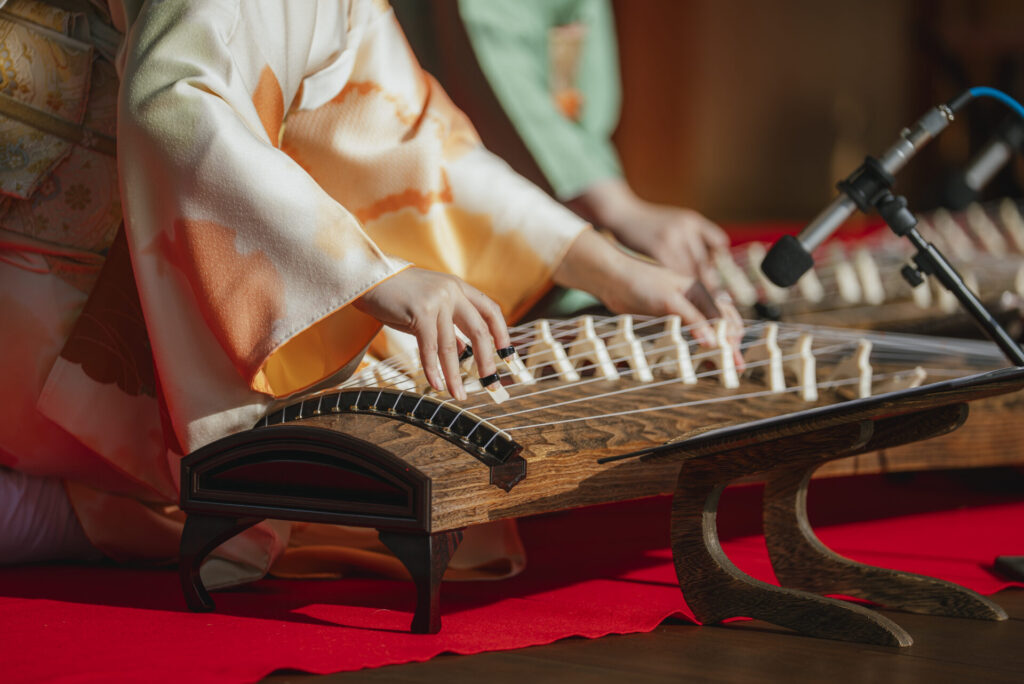
The koto is a traditional Japanese instrument that has been used in gagaku and hogaku (Japanese traditional music) since ancient times. With its 13 strings and ability to produce delicate and graceful tones, it’s often called “the queen of Japanese instruments.” In recent years, the koto’s beautiful sound has gained global attention through collaborations with international artists and its incorporation into contemporary music. The gentle and nostalgic resonance of the koto soothes the listener’s heart and provides a deep sense of healing. Historically, it was introduced to Japan from China during the Nara period and became a popular pastime for the aristocracy during the Heian period. The instrument has evolved over time, and today, in addition to the popular Yamada-ryu and Ikuta-ryu schools, specialized kotos with 20 or even 30 strings have been developed, expanding its expressive range. Thus, the koto is a fascinating instrument with a rich history and diverse expressive capabilities.
2. A Deeper Dive into the Koto’s Charm: From its Sound to its History
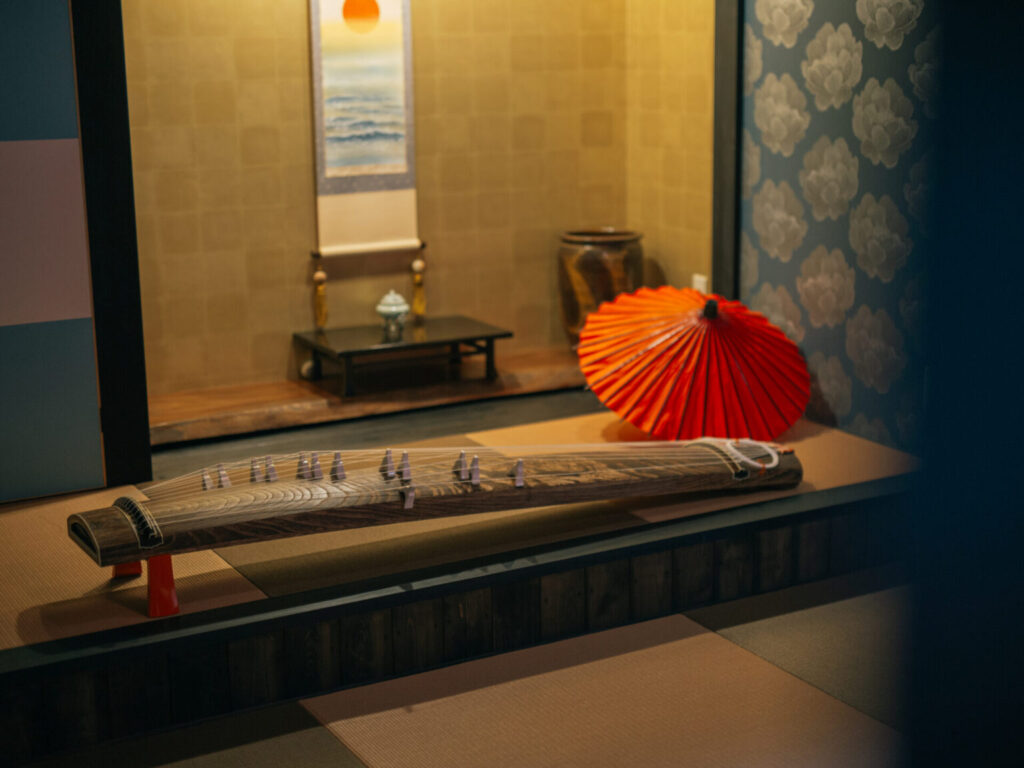
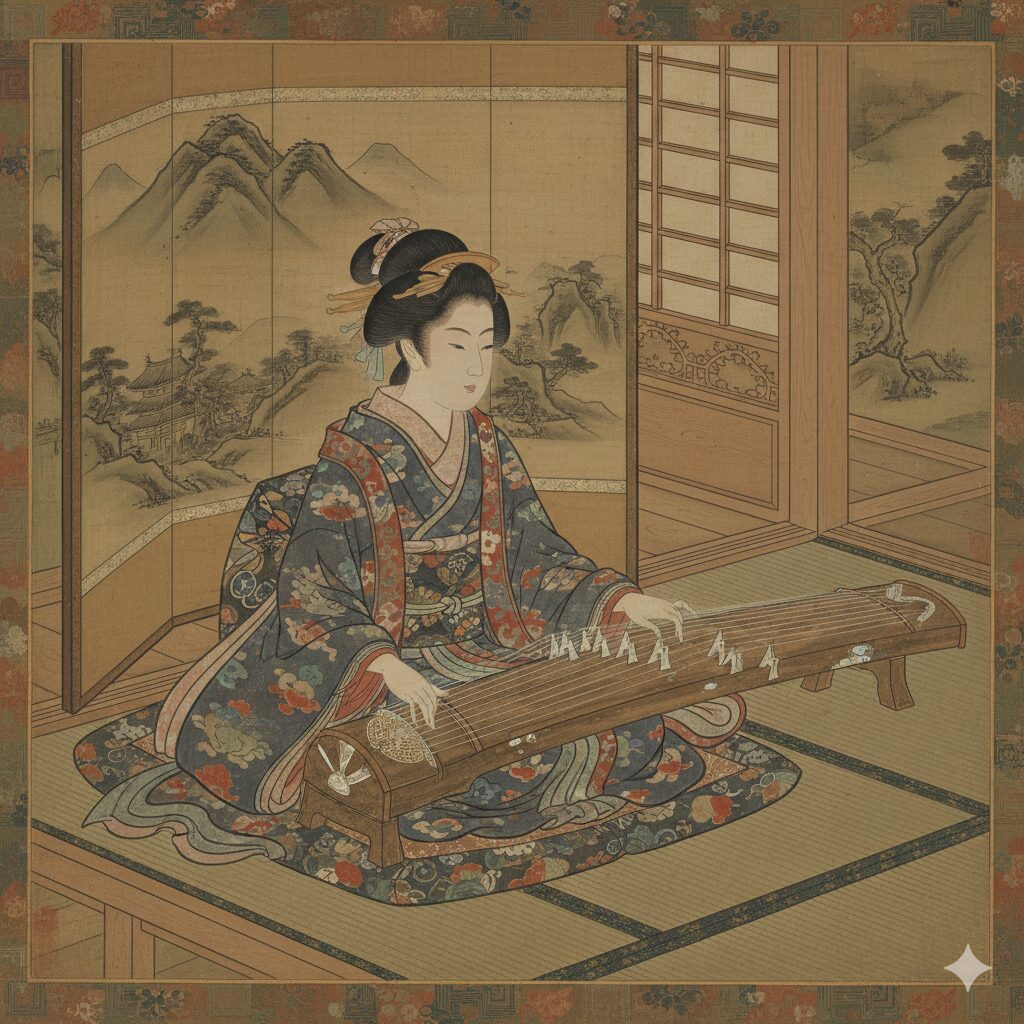
When you listen to the sound of the koto, you’ll be amazed by its rich expressiveness. The koto’s charm lies in its ability to convey the player’s emotions, from subtle to powerful tones. Techniques such as yuri (vibrato) and tremolo are unique to the koto and create its beautiful, distinctive resonance. This article will introduce the appeal of the koto’s sound as described by professional players and present popular performances that can be enjoyed online. The koto is said to have originated in ancient China and was introduced to Japan during the Nara period. It evolved over time and became a popular pastime for the aristocracy during the Heian period. Today, various types of kotos are used depending on the style and purpose of the performance. In addition to the common Yamada-ryu and Ikuta-ryu kotos, there are also specialized 20- and 30-string versions, expanding the instrument’s expressive range. Learning about this history and the different types of kotos allows for a deeper appreciation of its profound charm.
3. A Special Wagakki (Japanese Instrument) Experience You Can Have in Japan
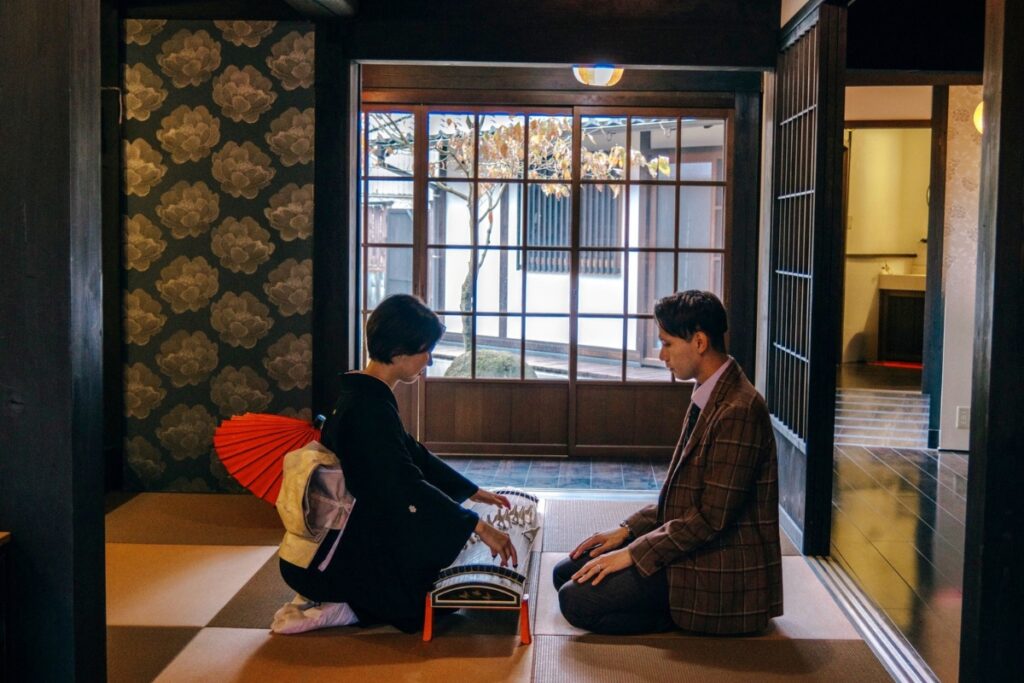
If you’re captivated by the sound of the koto, why not try playing it yourself? There are many koto schools and workshops throughout Japan where beginners can easily have a hands-on experience. You don’t need to worry if you’ve never touched an instrument before, as professional instructors will guide you carefully. In a trial lesson, you can learn to play a simple song or discover how to produce a beautiful sound. The thrill of creating music yourself is a wonderful opportunity to gain a deeper understanding of Japanese culture. This unique experience, which is outside of everyday life, offers new discoveries and a sense of wonder. By touching the koto, you can rediscover the charm of traditional Japanese music and enjoy a truly enriching time.
4. A New World That Opens Up Through the Koto
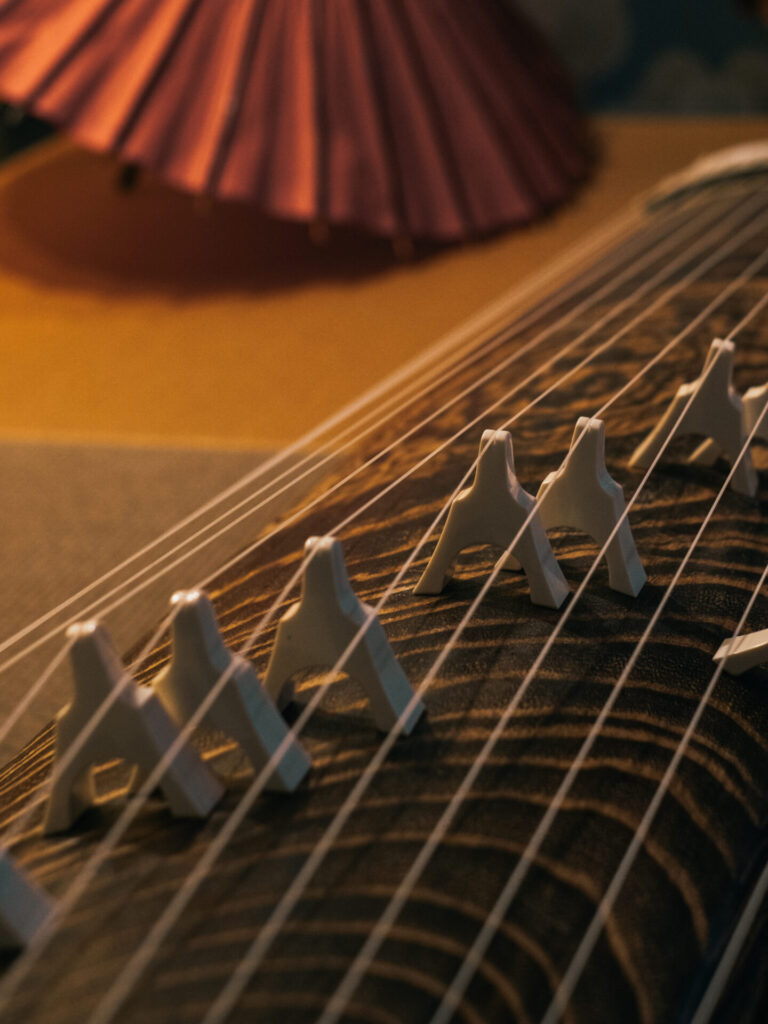
The koto serves as a highly engaging gateway to experiencing traditional Japanese culture. Its beautiful sound calms the mind and provides a healing respite from the hustle and bustle of daily life. Furthermore, through the experience of playing the koto, you can connect with Japanese history and aesthetics, deepening your cultural understanding. A major draw of beginner-friendly trial lessons is that you can start without any prior knowledge. Even those who have never played an instrument can feel the joy of creating sound under professional guidance. Starting with listening to the koto’s sound and then trying to play it yourself makes the world of traditional Japanese music feel much more accessible.
5. Conclusion | The Cultural Experience That Spreads from the Koto
In this article, we introduced the koto, a traditional Japanese instrument. Its beautiful sound and profound history remind us of the splendor of Japanese culture. By not only “listening to” and “learning about” the koto, but also “experiencing” it, you can engage with Japanese tradition through all five senses. We hope this article encourages you to visit a koto trial lesson near you. You are sure to discover new charms of Japan. The sound of the koto will bring a new resonance to your heart and give you a truly enriching time. Why not take the first step into the beautiful world of the koto?
Comment