

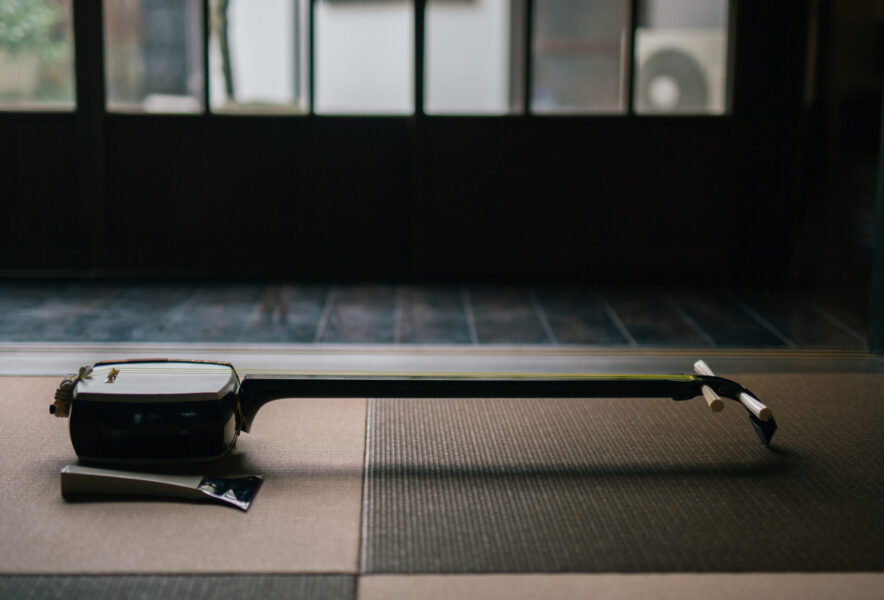
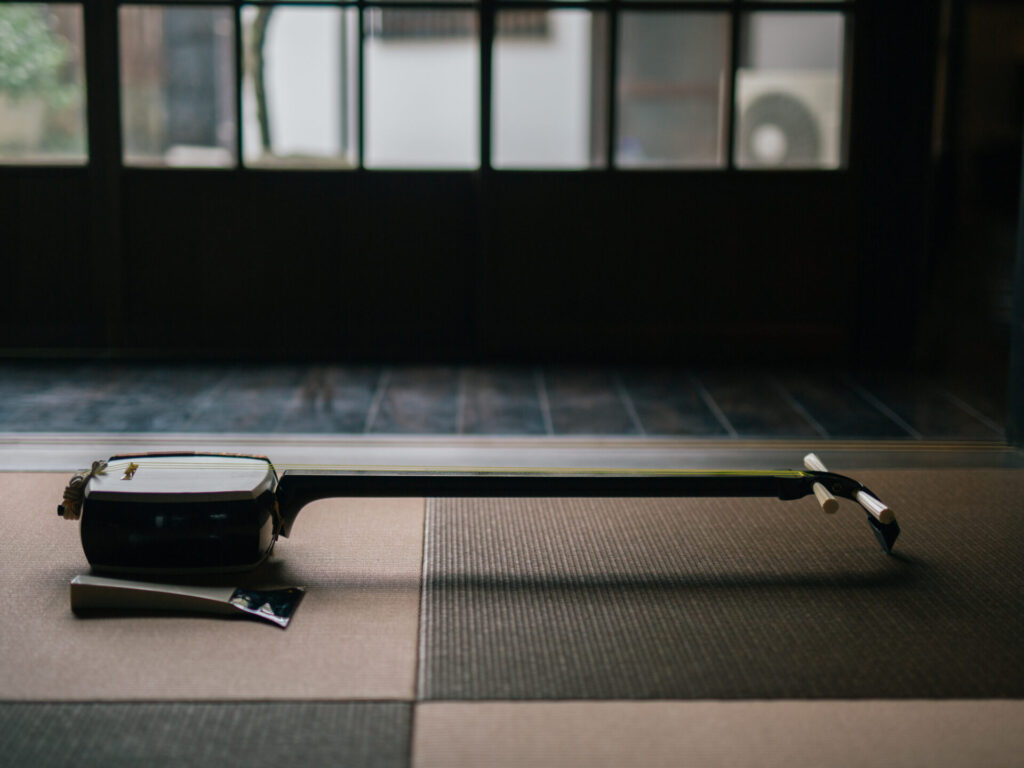
Japan’s rich traditional culture has captivated people around the world, and at the heart of its music is the shamisen. This unique string instrument produces a distinctive and beautiful sound that has enchanted audiences for centuries.
This article will introduce you to the shamisen, covering its history, types, and playing style. We’ll also explore other traditional Japanese instruments gaining international popularity, inviting you on a journey to discover the depth of Japanese culture. By the end, you’ll be captivated by the sounds of Japan.
- The Shamisen’s Anatomy: What Creates Its Unique Sound?
- Three Types of Shamisen and Their Playing Styles
- The Bachi:The Key to the Shamisen’s Powerful Sound
- Shamisen and Voice: A Beautiful Harmony
- Beyond the Shamisen: Other Traditional Japanese Instruments
- Hands-On Experience: Shamisen Classes for Tourists
- Summary: Dive into the World of Japanese Music
The Shamisen’s Anatomy: What Creates Its Unique Sound?
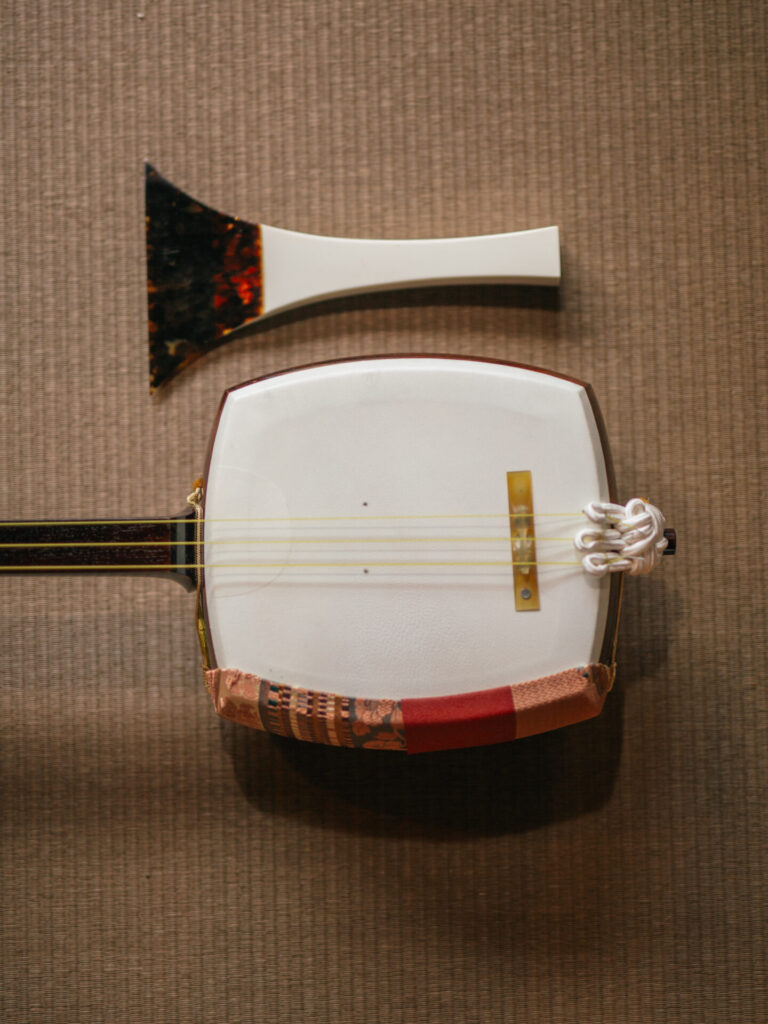
The shamisen consists of a long neck and a rectangular body. Traditionally, the body was covered with dog or cat skin, but today, synthetic leather is widely used. The instrument has just three strings, which are played using a plectrum called a bachi.The shamisen’s distinctive sound comes from a feature called sawari. This is a subtle buzzing noise created by the slight friction between the strings and the neck. It’s this “noise” that gives the shamisen its unique depth and resonance, creating a sound unlike any other instrument.
Three Types of Shamisen and Their Playing Styles
Shamisen are categorized into three main types based on their use and sound.
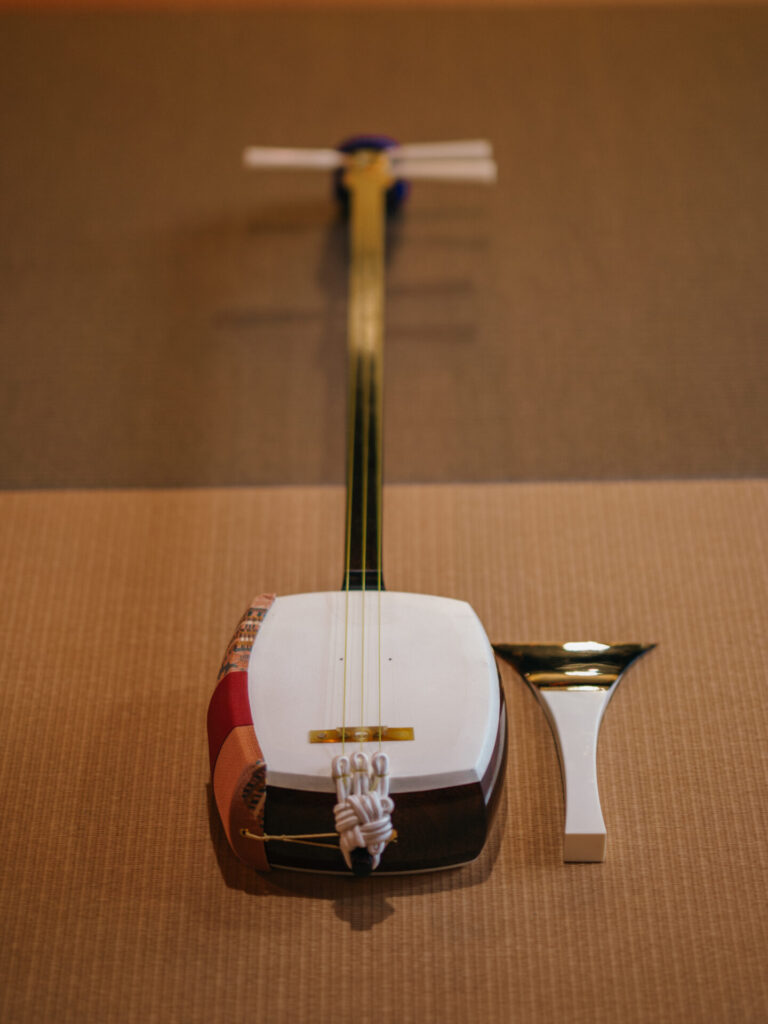
Hosozao (Thin Neck)
This type has the thinnest neck and produces a delicate, elegant sound. It’s primarily used in Nagauta, a style of music known for its role as accompaniment in Kabuki theater.
Chuzao (Medium Neck)
The most versatile type, the Chuzao’s neck is of medium thickness. It’s used for a wide range of genres, including folk songs (min’yō) and classical jiuta music, making it the most popular choice.
Futozao (Thick Neck)
Characterized by a thick neck and a large body, the Futozao produces a powerful, robust sound. This is the instrument used in Tsugaru-jamisen, a style known for its dynamic and percussive playing.
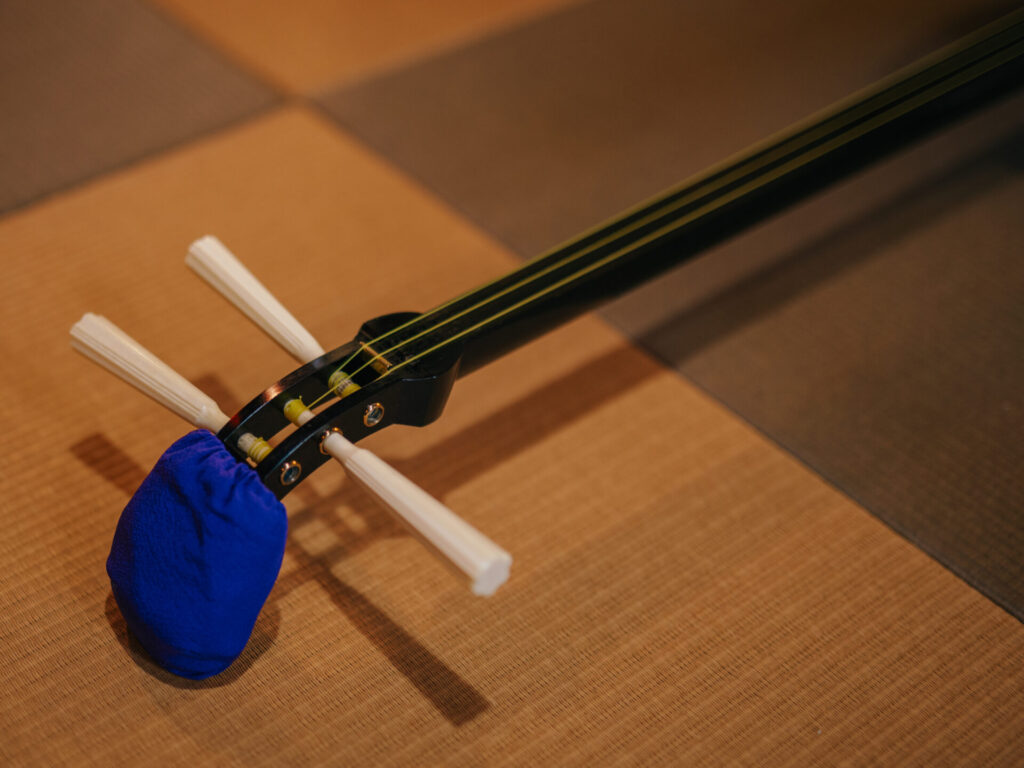
The Bachi:The Key to the Shamisen’s Powerful Sound
The bachi, a plectrum shaped like a ginkgo leaf, is essential for playing the shamisen. Players strike the strings with the tip of the bachi, which creates the powerful, crisp sound that is so characteristic of the instrument.
Bachi are made from various materials like ivory, wood, or plastic, with each material affecting the sound and weight of the instrument.
Shamisen and Voice: A Beautiful Harmony
The shamisen evolved as an accompaniment to singing and storytelling.
“Katarimono” (Narrative Music)
In styles like Gidayūbushi and Tokiwazu-bushi, the shamisen acts as the voice of the narrator, expressing emotions and vividly painting the scenes of the story.
“Utaimono” (Lyrical Music)
in styles like Nagauta and Ha’uta, the shamisen accompanies the singing, its delicate sounds enhancing the beauty of the vocals.
Beyond the Shamisen: Other Traditional Japanese Instruments
While the shamisen is a star, other Japanese instruments are also making waves globally.
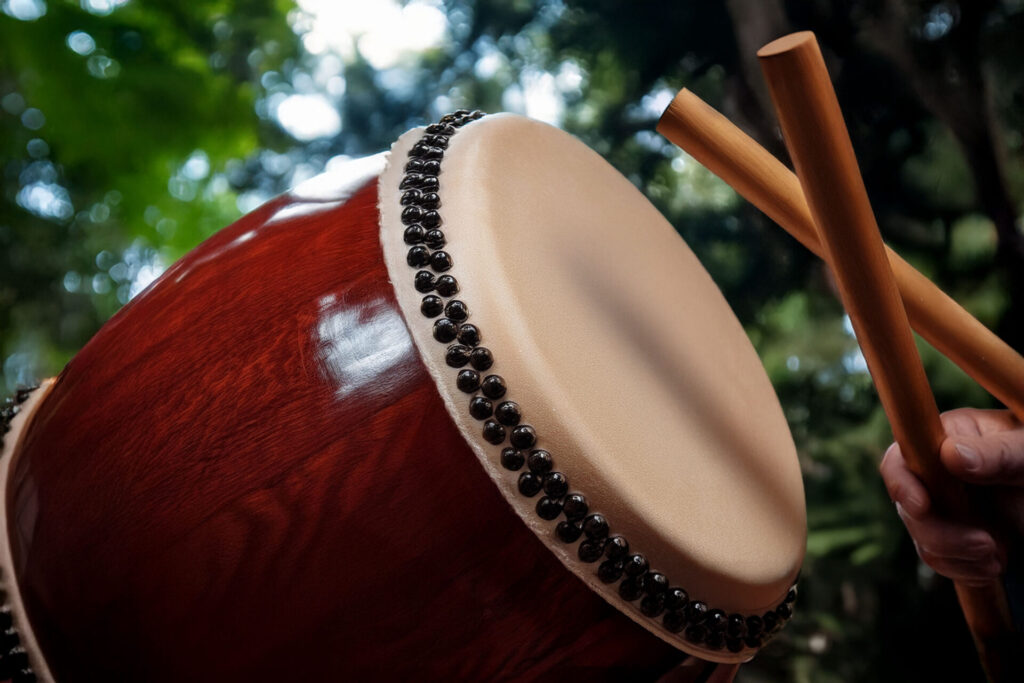
Wadaiko (Japanese Drums)
These drums create a powerful rhythm and deep resonance that mesmerizes people worldwide. Although often associated with festivals, groups of wadaiko performers now tour internationally, showcasing their artistry.
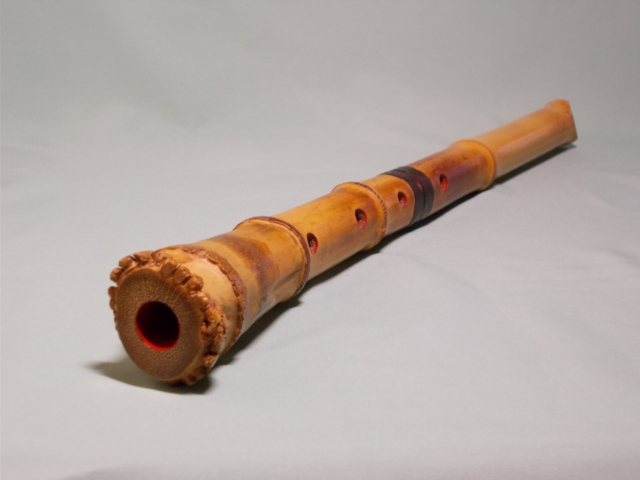
Shakuhachi (Bamboo Flute)
This vertical bamboo flute produces a profound and spiritual sound. Once used in Zen Buddhist practice, its contemplative tone is still sought after today. It has a growing fanbase overseas and is often used in collaborations with genres like jazz.
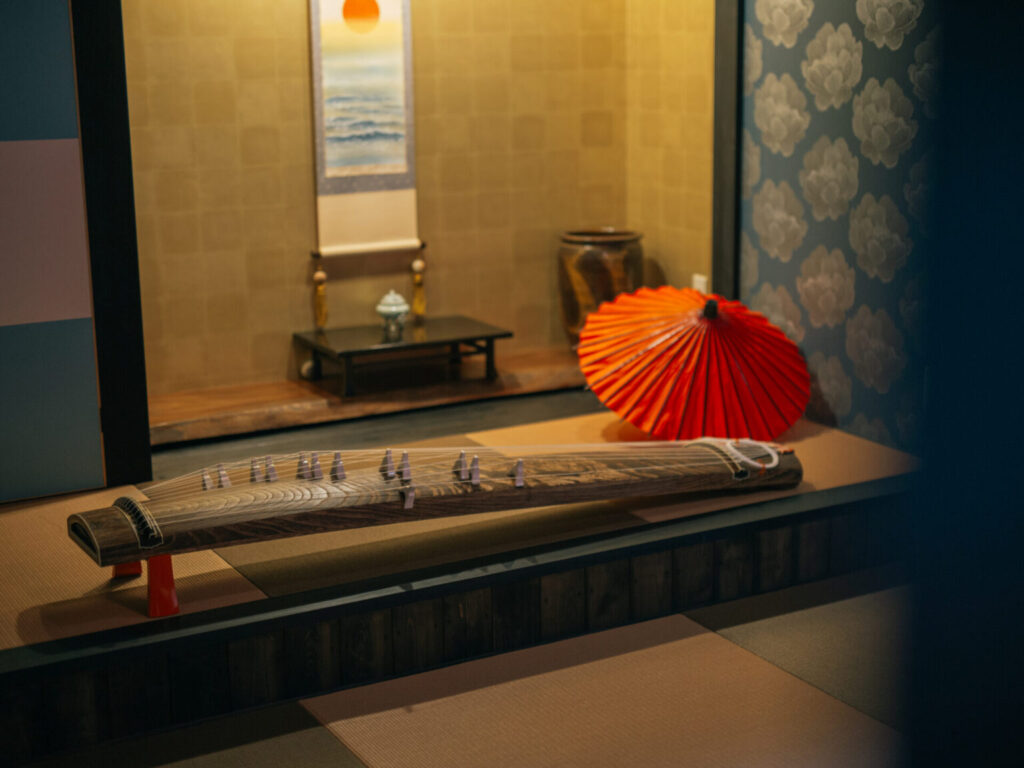
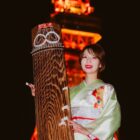
Koto (Japanese Harp)
With 13 strings, the koto is often called the “Japanese harp” for its graceful and elegant sound. It has attracted the attention of modern composers and is increasingly featured in orchestras and pop music.
Hands-On Experience: Shamisen Classes for Tourists
If you’re interested in trying the shamisen, many hands-on classes are available in cities like Tokyo and Kyoto.
Beginner-Friendly
Most studios provide instruments, so you can join a class without bringing anything.
A Unique Souvenir
Learning the basics of the shamisen is an unforgettable way to connect with Japanese traditional culture. Not only will you deepen your appreciation for the music, but you’ll also create a lasting memory of your trip.
Summary: Dive into the World of Japanese Music
This article introduced you to the charm of the shamisen and other popular Japanese instruments. Each instrument tells a story through its unique sound, history, and playing style, revealing the deep richness of Japan’s musical culture.
When you visit Japan, be sure to listen to the beautiful sounds of the shamisen and other traditional instruments. They will surely make your trip an even richer and more memorable experience.
Comment